A Local’s Guide to Sea Swimming in Folkestone: From Mermaid Beach to Sunny Sands
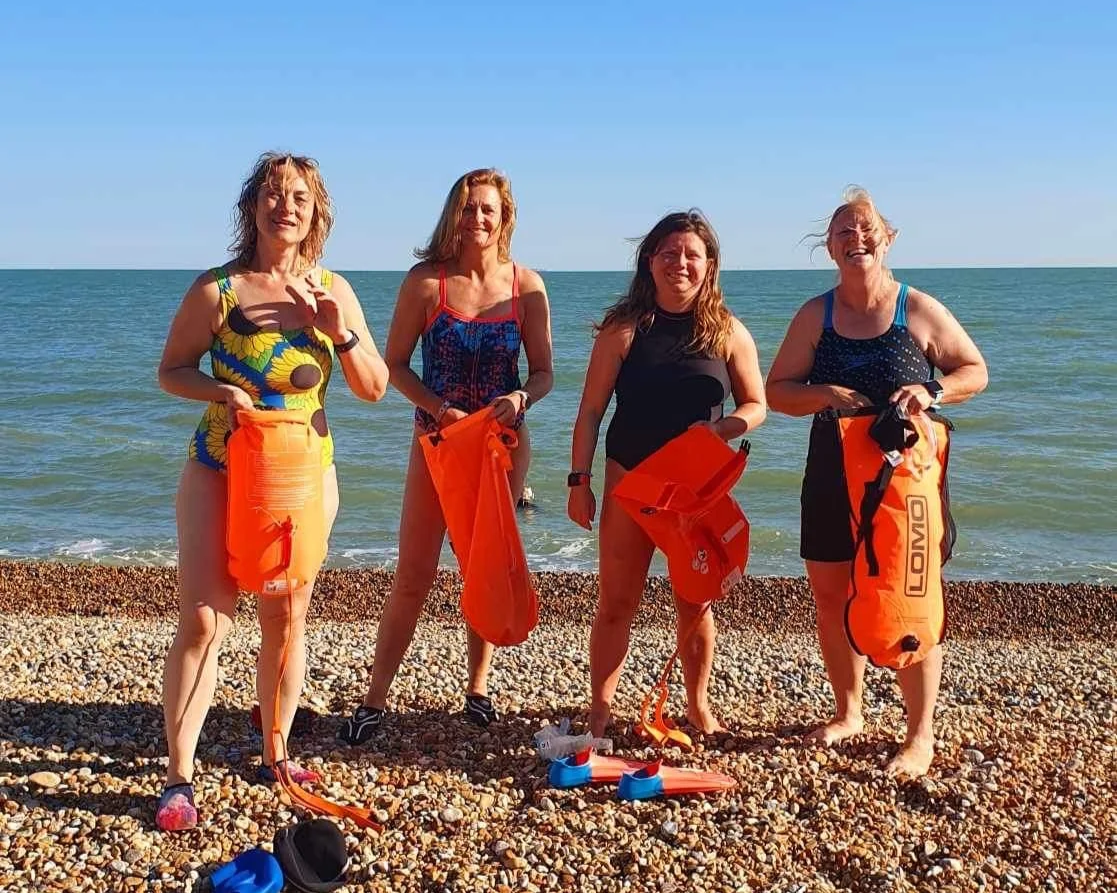
Where to Swim in Folkestone: A Local Coach’s Guide to Spots, Safety, and Tides
If you’re looking to find out where to swim in Folkestone, you’re spoilt for choice. Having grown up here and swum in these waters for years, I’ve come to know every tide shift, swell pattern, and hidden hazard along this coast.
As an open water swim coach in Folkestone, my job isn't just teaching stroke technique—it's building your confidence to read the sea independently, assess local conditions safely, and enjoy cold water swimming year-round.
Here is my honest local guide to Folkestone’s best beaches, what to watch out for at each spot, and how to stay safe in the water.
1. Sunny Sands, Folkestone
Sunny Sands is easily the most popular sandy beach for families during the summer.
Beach Access & Facilities
Entry: You can enter via the gradual slope on the west side (closer to the harbour) or via the central steps leading down from the promenade.
Facilities: Public toilets are situated near the harbour side, along with a seasonal café. Volunteer lifeguards from Folkestone Rescue also patrol here at select times during peak summer months.
Tide & Safety Considerations
Spring Tides (Full & New Moons): Avoid swimming at full high tide during a spring tide (full moon or new moon). The water comes right up, covering the beach entirely. Unless the sea is completely flat and calm- allowing you to walk straight in from the slope - you won't have beach access (and you'll have to leave your gear up high on the prom!).
Neap Tides (Half Moon): Mid-to-low tides are ideal here. High tide on a neap tide is manageable because the water level doesn't rise as high. An incoming tide is generally preferable because it naturally pushes you toward the shore.
Outgoing Tide Hazard: On an outgoing tide, be cautious around the rocks on the eastern side. As the sea empties on a macro scale into the North Sea, it hits those rock formations and can create a outward pull. Stick to the main central swimming area.
Wind & Chop: Strong winds from the South, Southwest, or East (20mph+) create heavy chop and surfable waves - fun for surfers, but not ideal for open water swimming. If it’s too rough here, head to Mermaid Beach instead.
2. Sandgate & Hythe Beach
Sandgate and Hythe offer long, amazing stretches of shingle beach lined with friendly faces and great coastal cafés.
Understanding the Coastal Shelf & Currents
The Steep Drop: Unlike the gradual slope at Sunny Sands or Mermaid Beach, Sandgate features a steep shelving shingle beach. The shoreline drops off quickly into deep water—especially at higher tides.
Wild Open Water
Stronger Open Currents: Because Sandgate and Hythe sit on an open, unsheltered stretch of coast, they experience stronger currents and more pronounced wave action.
Dump Waves: When winds pick up, wave energy hits the steep shingle shelf hard. If it looks rough or choppy, respect the water, stay on shore, or seek out a more sheltered spot like Mermaid Beach.
Coach’s Tip: When planning a sea swim at Sandgate, safety always comes down to reading the water before your feet ever touch the shingle. Learning how the coastal shelf and Channel currents interact is essential for staying safe here.
3. Mermaid Beach (My Top Pick)
In my opinion, Mermaid Beach (located just below the Leas Cliff Hall) is the best location for open water swimming in Folkestone. It’s also home to the vibrant Folkestone Sea Swimmers community and it’s where I run most of my coaching sessions.
The "Triangle of Safety"
The rock groynes here form a natural protection that breaks the swell, creating a sheltered bay.
Folkelife
Inside the Bay: Inside the groyne area - known locally as the Triangle of Safety - currents are noticeably calmer than in the open sea.
Beyond the Groynes: Once you swim past the outer tips of the rocks, currents become significantly stronger.
Tide & Wind Watch: On an outgoing tide combined with onshore winds, water flowing out of the bay can make swimming back into the triangle challenging, pushing you toward the wave impact zone on the opposite side.
Rock Pull: Watch for mini-currents and localized pulls near the western rocks on an outgoing tide. Keep your swim contained within the bay unless you are an experienced sea swimmer who understands local tidal flow.
Ready to Swim with Confidence? Book a Session
Reading tide charts, spotting rip currents, and predicting wave chop can feel overwhelming when you’re starting out - but you don't have to figure it out by trial and error.
In a 1-on-1 or small group open water coaching session, we’ll cover:
How to read local tide tables (Springs vs. Neaps) and weather apps accurately.
Real-time risk assessments for Folkestone, Sandgate, and Hythe.
Water entry/exit techniques for steep shingle beaches.
Managing cold water acclimatisation, breathing, and after-drop.
Improving your stroke efficiency in open water chop.
Whether you're training for an event, wanting to conquer sea-swimming anxiety, or looking to transition safely into year-round cold water dipping, I'm here to help.
> Click Here to View Coaching Packages & Book Your Session
(Have questions first? You can contact me here to discuss your sea swimming goals!)