7 Essential Sea Swimming Safety Tips for Beginners: Lessons from Folkestone
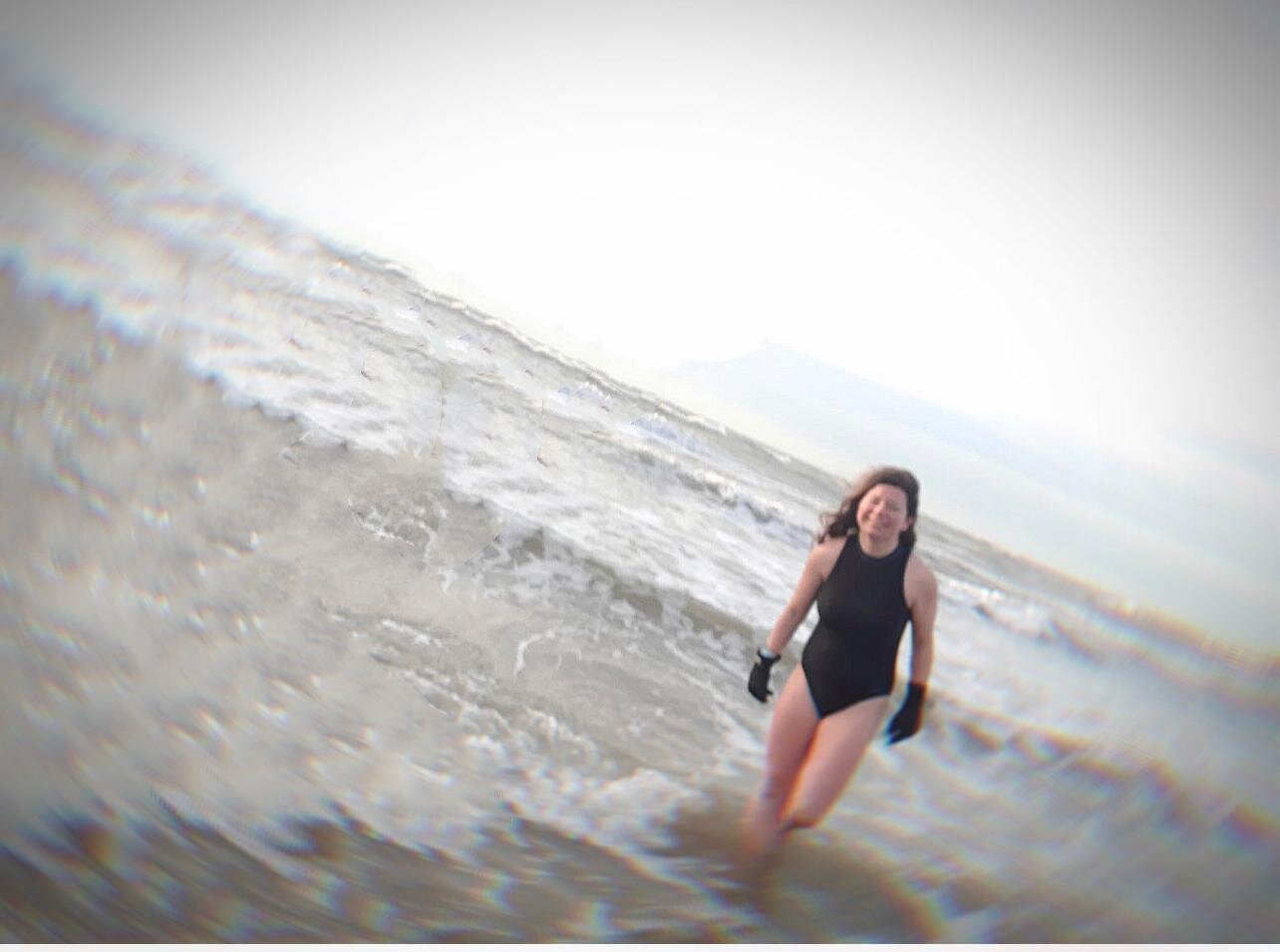
Being part of the wild swim community in Folkestone is something truly special. Sharing stories, exchanging experiences on local tides, and navigating winter sea swimming together creates an amazing bond.
The joy of ocean swimming is undeniable, but learning to do it safely and confidently is key. Terms like "cold water shock" and "afterdrop" can sound daunting to anyone dipping their toes into the sea for the first time.
Whether you are stepping into the waves for a quick dip or starting your open water journey, here are seven vital sea swimming safety tips I've learned along my own journey along the Kent coast.
1. Observe the Ocean Before Entering
Always read the water before you step off the beach. Check the wind direction, marine weather, tidal charts, and local currents. Look for safe entry and exit points, keeping in mind how shifting tides can change the shore shelf.
Avoid areas with heavy shore-dump waves, strong moving currents, or visible rip tides. If in doubt, don't go out - the sea will always be there another day.
2. Enter Slowly to Manage Cold Water Shock
When you plunge into cold water too quickly, your body's natural response is cold water shock, which triggers an involuntary gasp reflex. If your head is submerged when this happens, you risk inhaling water.
To adapt safely:
Walk in slowly - first up to your knees, then your hips.
Splash cold water on your chest, shoulders, and the back of your neck.
Focus on long, slow exhalations rather than sharp inhales.
Pause at waist depth until your breathing settles before immersing your chest.
Over time, cold water adaptation reduces this shock response, but entering gradually is always best practice.
3. Stay Calm and Float if Needed
If you ever feel a wave of anxiety, sudden fatigue, or disorientation, resist the urge to thrash or panic. Turn onto your back, tilt your head up, and spread your arms and legs like a starfish. Floating helps you conserve energy, keeps your airway clear, and gives your nervous system time to calm down.
4. Stay Within Your Depth and Limits
Always swim within your current fitness level and ocean experience. Never feel pressured to match friends who might be swimming further out or staying in longer. If your swim for the day is simply wading in up to your knees and enjoying the splash, that is a complete success.
5. Know When to Get Out (Avoid Severe Afterdrop)
It is always better to get out wanting more than to stay in a minute too long. Afterdrop happens when your body temperature continues to fall after you get out of the water, as cold blood from your skin mixes back into your core.
Listen to your body's subtle signals - numb fingers, a drop in stroke rhythm, or mild shivering mean it's time to head to the shore immediately. Pack warm layers, a windproof jacket, a hot drink, and warm socks for a comfortable recovery.
6. Consider a Wetsuit for Extra Insulation & Buoyancy
When I first started winter sea swimming back in 2019, I wore a wetsuit for my entire first cold season. Wetsuits provide vital insulation against cold water, boost your natural buoyancy, and give you extra peace of mind as your body adapts to open water over time.
7. Swim with a Buddy or Local Community Group
Never swim alone in the sea. Swimming with a buddy or joining a supportive local swim group means you have extra eyes on the water, shared local knowledge, and immediate support if conditions change. Plus, sharing the post-swim glow over a hot cup of tea is half the joy!
Ready to Start Your Open Water Journey?
Respecting the sea is what gives us the freedom to enjoy it safely. If you want to learn more about reading local Folkestone tides, mastering cold water acclimatisation, or building your open water confidence through tailored coaching: