The Healing Power of the Sea: Blue Mind, Eco-Therapy, and the Ocean as a Co-Therapist
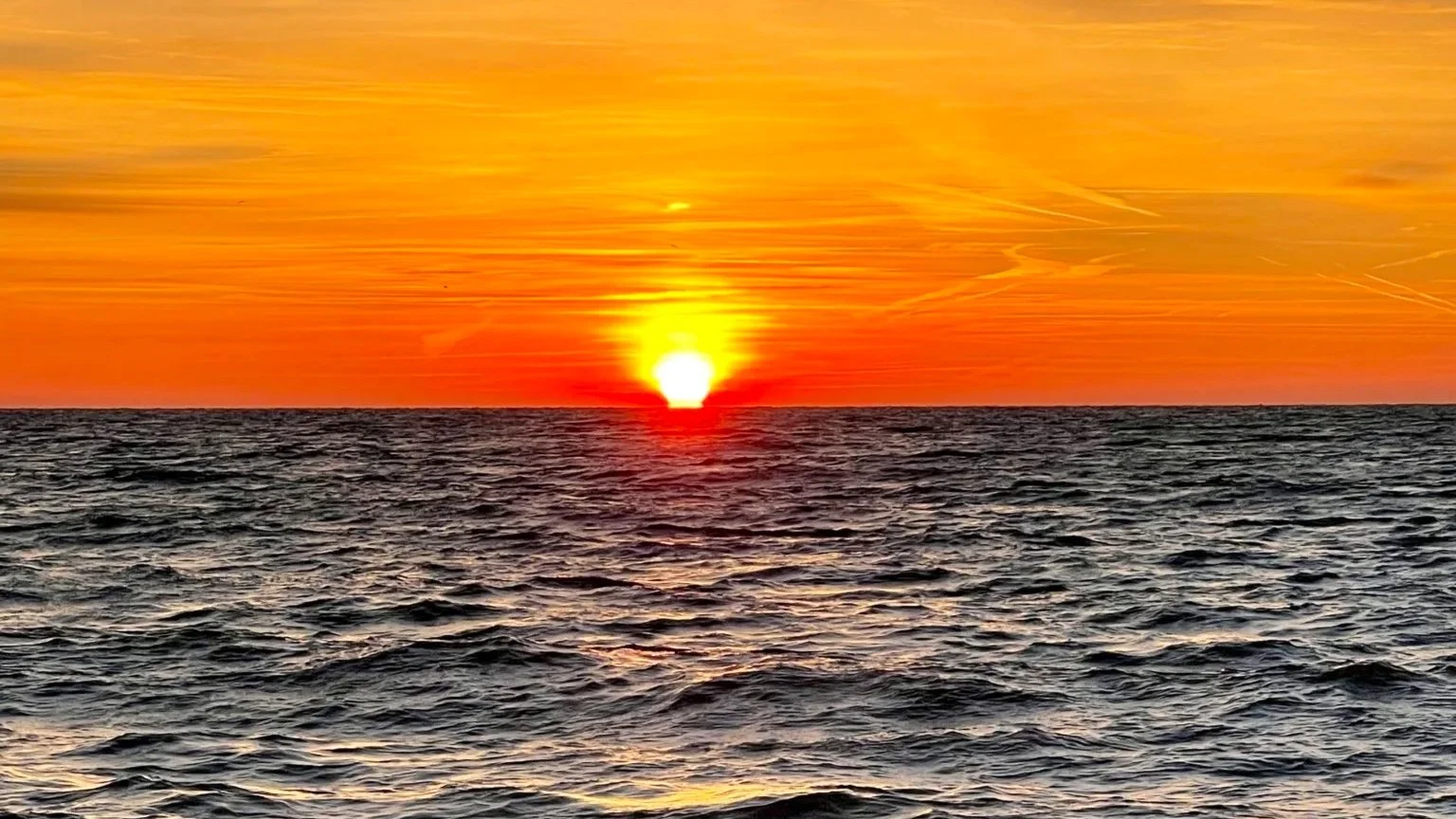
There is nothing quite like sitting beside the ocean. Whether watching waves lap against the shoreline or stepping directly into the cold tide, water has an immediate, undeniable ability to calm an overactive nervous system and quiet mental noise.
More people than ever are turning to blue spaces to heal from stress, anxiety, burnout, and trauma. But what is actually happening when we step off the land and yield to the water? Is it simply a pleasant change of scenery, or is there a deeper, relational healing process taking place?
In addition to coaching in the water, I work as an accredited psychotherapist, integrating somatic awareness and person-centred counselling into my practice. https://www.kirstyhogbentherapy.com/about i’ve been exploring how therapeutic processes expand beyond traditional therapy rooms and into relationship with the natural world..
Combining Wallace J. Nichols’ famous Blue Mind Theory with insights from my own psychotherapy research project -The Sea as a Non-Human Relational Co-Therapist—explores how the ocean acts as a active partner in our emotional healing.
Understanding "Blue Mind" vs. "Red Mind"
In his landmark book Blue Mind, marine biologist Dr. Wallace J. Nichols describes "Blue Mind" as a mildly meditative state characterized by calmness, peacefulness, general happiness, and a sense of satisfaction with life in the moment.
It is the direct neurological antidote to "Red Mind" - the overstimulated, anxious, hyper-vigilant state driven by the constant demands, screens, and chronic stress of modern life.
When we are near or in water:
Auditory Relief: The rhythmic, predictable sound of waves acts as "pink noise," softening brain activity and lowering heart rates.
Visual Simplicity: The open horizon drastically reduces cognitive load, allowing our brains to rest from constant visual processing.
Physiological Shift: Immersing our body in water triggers parasympathetic nervous system activation, reducing cortisol and flooding the system with feel-good neurochemicals like dopamine and serotonin.
The Sea as a Non-Human Relational Co-Therapist
While Blue Mind explains the neuro-biological benefits of water, my research as a trainee person-centred therapist asks a deeper question: Can the sea be understood as an active, relational partner in therapy?
In traditional counselling, healing happens through relationship - espcecially through Carl Rogers’ core conditions of empathy, congruence, and unconditional positive regard. In eco-therapy, nature is often treated merely as a passive backdrop. But my research shows that the sea functions less like a tool we "use" and more like a non-human co-therapist that actively meets us.
Three core themes emerged from analyzing the intersection of person-centred theory, eco-psychology, and lived swim reflections:
1. Embodied Regulation (The Cold Shock Process)
When you step into cold water, your body experiences an immediate, spike in physical intensity (cold water shock). But as you control your breath and adapt, a profound stillness sets in.
This mirrors the therapeutic process itself: distress is experienced, held in a safe space, and gradually regulated. Like a therapist offering an unconditional, non-judgmental presence, the sea holds our physiological reaction without pushback, allowing us to move safely from hyper-arousal into calm focus.
2. Facilitating Self-Awareness & Present-Moment Presence
In the water, you cannot ruminate on the past or worry about the future; the sensory reality of the sea forces you entirely into the present moment.
Person-centred theory suggests that given the right conditions, human beings naturally move toward self-actualisation and clarity. By stripping away cognitive distraction and mental noise, the ocean creates those exact conditions through direct, embodied experience rather than forced intellectual thought.
3. A Dynamic Relational Encounter
The sea is never static. It is dynamic, unpredictable, holding, and challenging all at once.
While the ocean is not sentient, swimming in it feels inherently relational. It meets your physical strength, demands your total respect, holds your weight, and responds to your movement. You are not just observing nature; you are in an active dialogue with a environment that cannot be controlled, teaching radical acceptance, surrender, and flow.
Expanding Therapy Beyond Four Walls
Integrating nature as a relational co-therapist opens up vital new pathways for mental health and personal growth:
Embodied Healing: Real transformation doesn't just happen in our head; it happens through our nervous system and body.
Beyond Talking: For clients who feel stuck in traditional verbal therapy, experiential blue spaces offer non-verbal processing, regulation, and somatic relief.
Reconnection: It addresses the deep environmental and physical disconnection that fuels so much modern anxiety.
Healing does not only happen in relationship with other people; it happens in deep, embodied relationship with the world itself.
Experience the Healing Power of the Water
Whether you are looking to build cold water resilience, overcome anxiety, or simply learn to navigate local tides with complete confidence, open water coaching offers a safe, supportive bridge into the sea.
Get in touch to explore 1-on-1 sea swim coaching, cold water acclimatisation, or local Folkestone beach sessions.