Cold Water Shock Explained: How to Stay Safe in Cold Water | UK Sea Swimming Guide
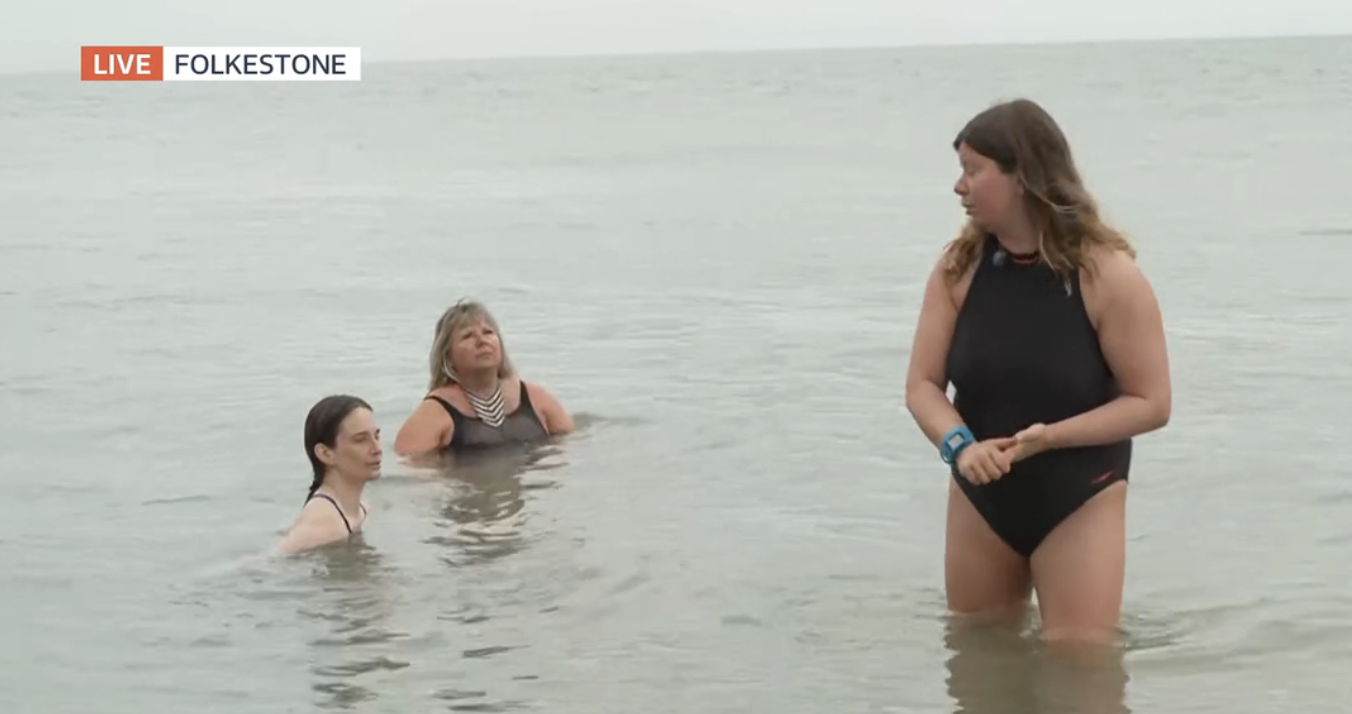
Cold water shock is an involuntary physiological response that can affect anyone entering cold water suddenly, regardless of swimming ability. In this guide, Kent-based open water swim coach and sea safety educator Kirsty Hogben (featured on Good Morning Britain) explains how the gasp reflex works, why it’s most common in spring, and how to prevent it through safe entry, breath control, and the “Float to Live” technique. Includes cold water safety tips for swimming in Kent and online coaching options for building confidence in open water.






How to Start Sea Swimming
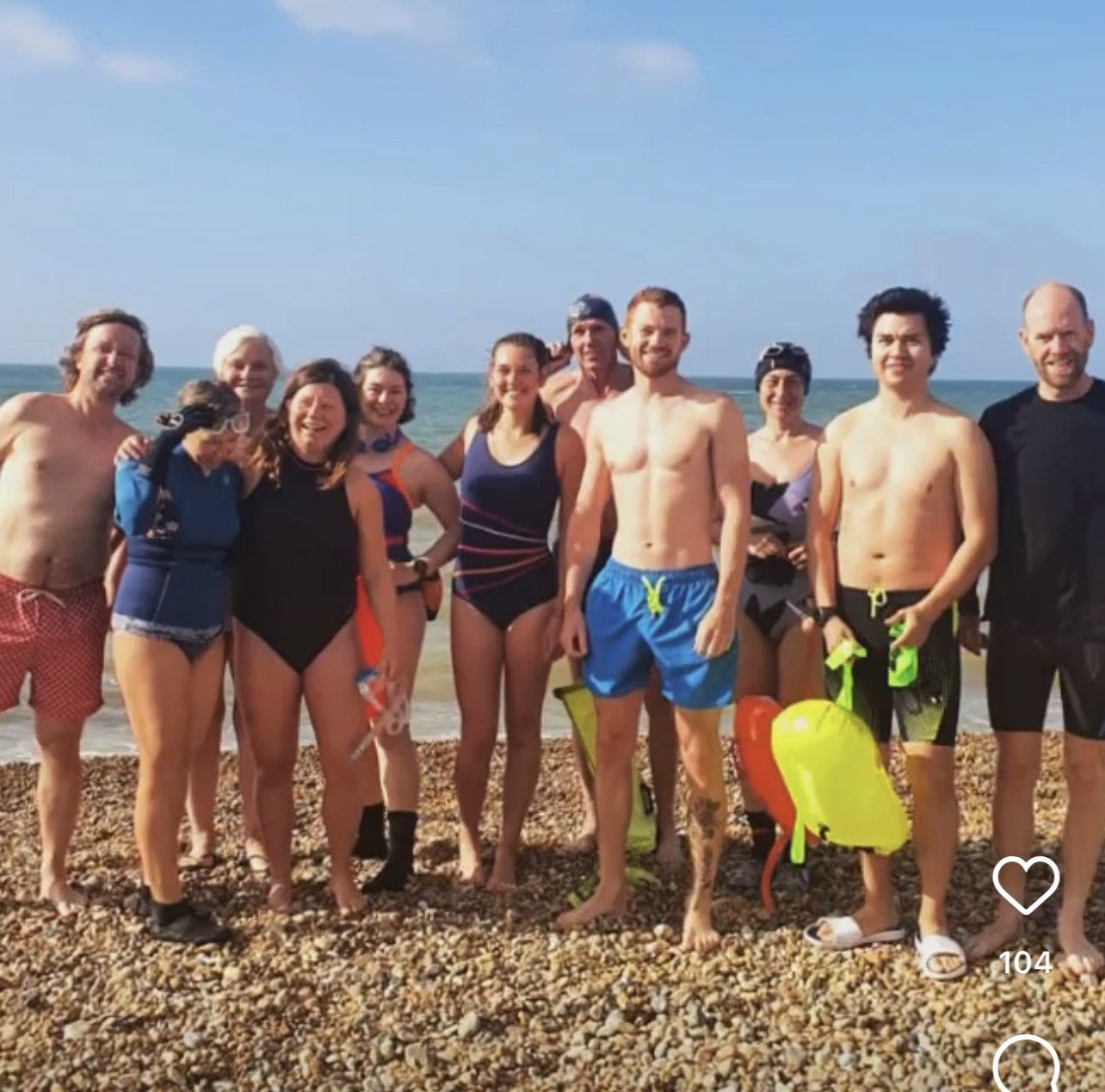
Just like asking experts, I would say checking out valuable content before you swim is good. Read up on terms such as cold water shock, afterdrop and learn about gear such as neoprene gear and tow floats.

How to start sea swimming in winter
Swimming every day through winter is one of the most beautiful experiences. It’s a great way to uplift and energise you through the long grey and often colourless days. Here are my top tips that I always tell people on my winter coaching sessions on how to start sea swimming in winter.

5 Tips for Planning a Sea Swim
Whether you’re a first timer, or a seasoned swimmer, planning your sea swim can be vital. It’s important to know how to read the water before you head down to the beach. I often get messages from people on whether they should head out.

The Healing Powers of Sea Swimming
Sea swimming is transformative. Here are some reasons to start sea swimming and gain the rewards of cold water immersion.